Winter Accident: Will Insurance Cover You?

0
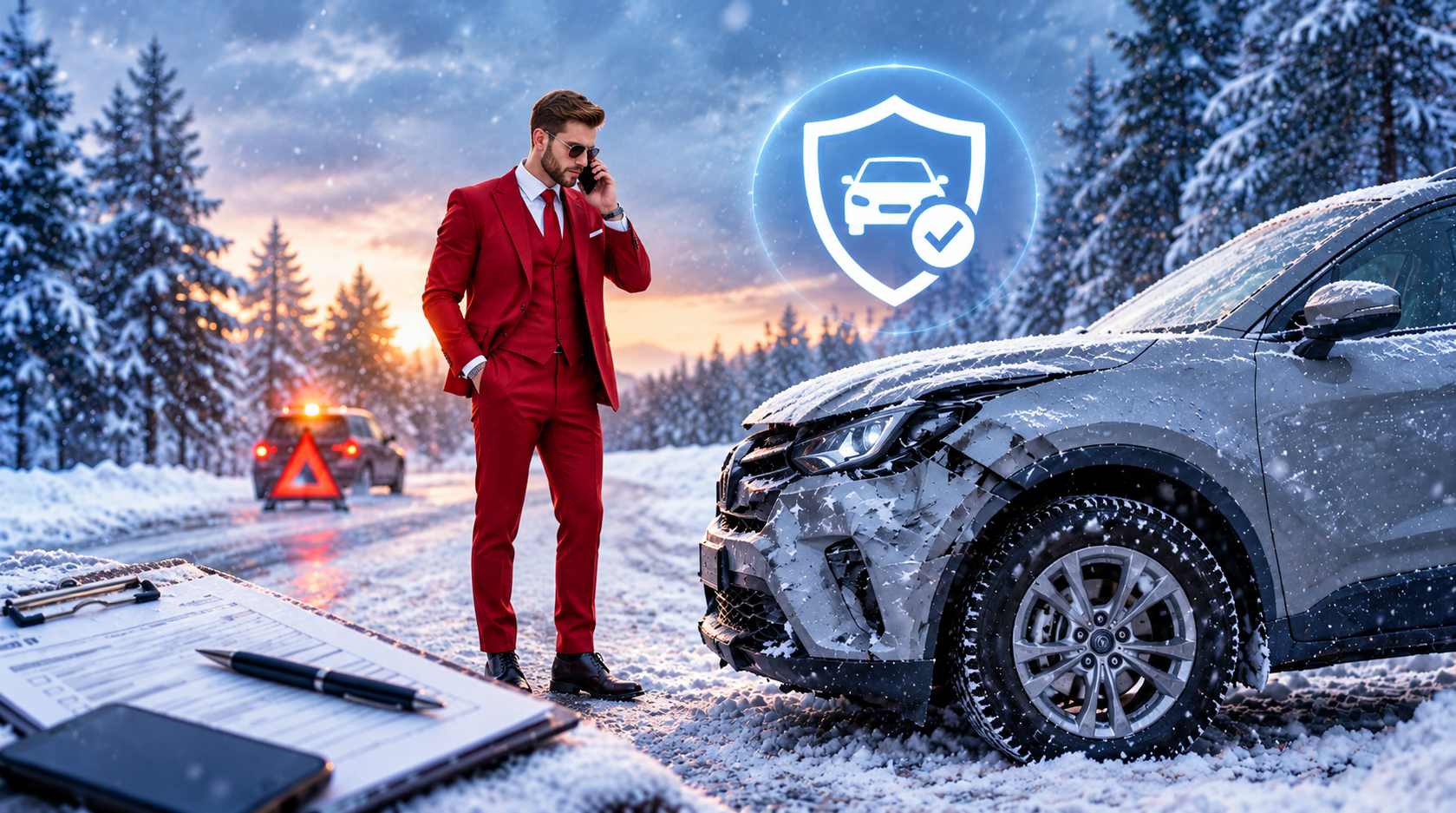
Winter car accident on a snowy Ontario road and car insurance coverage

Winter driving in Ontario can be challenging. Snow, freezing rain, black ice, poor visibility, and slippery roads can increase the risk of a car accident. If you are involved in a winter accident, one of the first questions you may ask is: Will my car insurance cover the damage?

The answer depends on the type of accident, your insurance coverage, who was responsible, and the circumstances surrounding the collision. Understanding how Ontario car insurance works can help you know what to expect after a winter acciden

Does Car Insurance Cover Winter Accidents in Ontario?

Yes, car insurance can cover accidents that happen during winter. Snow and icy roads do not automatically prevent you from making an insurance claim.

However, the coverage available depends on the policy you purchased and the circumstances of the accident.

For example, if you have collision coverage and your vehicle is damaged after hitting another vehicle, a pole, guardrail, or other object, your policy may cover the damage subject to your deductible.

What Happens If You Slide on Ice and Crash?

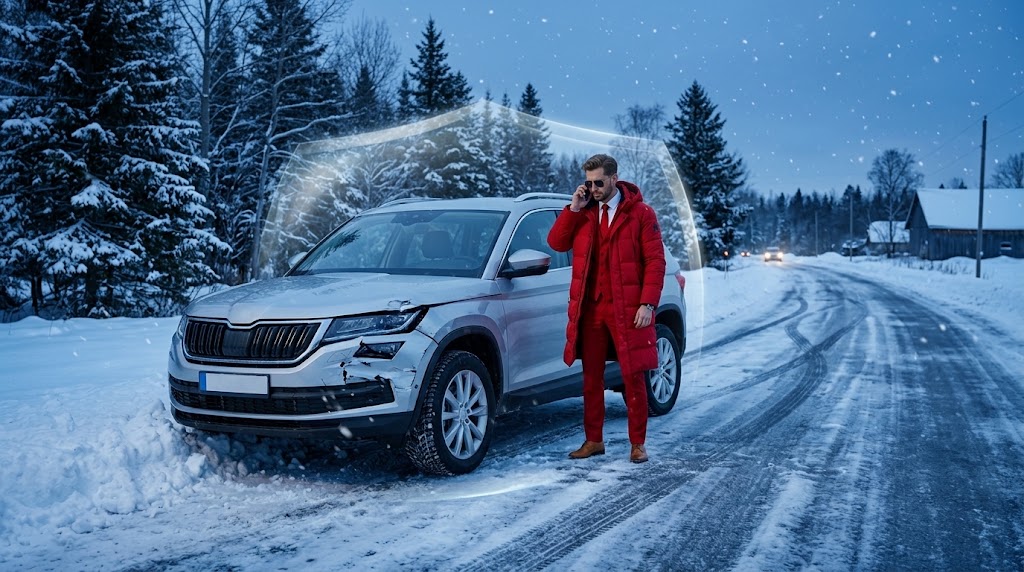
Car sliding on ice and crashing on a snowy Ontario road

Black ice is one of the most dangerous winter driving hazards. Even careful drivers can lose control when a road suddenly becomes icy.

If your vehicle slides on ice and you crash, the accident may still be considered an at-fault accident depending on the circumstances and Ontario's insurance rules.

Having winter tires and driving carefully can reduce your risk, but they do not automatically eliminate your responsibility for an accident.

If your vehicle is damaged, whether your insurance pays for repairs will depend on the coverage included in your policy.

This is why it is important to review your policy before winter arrives rather than waiting until after an accident.

Does Collision Coverage Pay for Winter Accident Damage?

Collision coverage is generally designed to protect your vehicle against damage resulting from a collision with another vehicle or object, subject to your policy terms and deductible.

For example, collision coverage may apply if you:

  • Hit another vehicle on a snowy road
  • Slide into a guardrail
  • Lose control and hit a pole
  • Crash into another object
  • Become involved in a single-vehicle winter collision

Without appropriate coverage, you may have to pay for damage to your own vehicle yourself.

Before winter begins, check your deductible and understand exactly what your policy covers.

What If Another Driver Causes the Winter Accident?

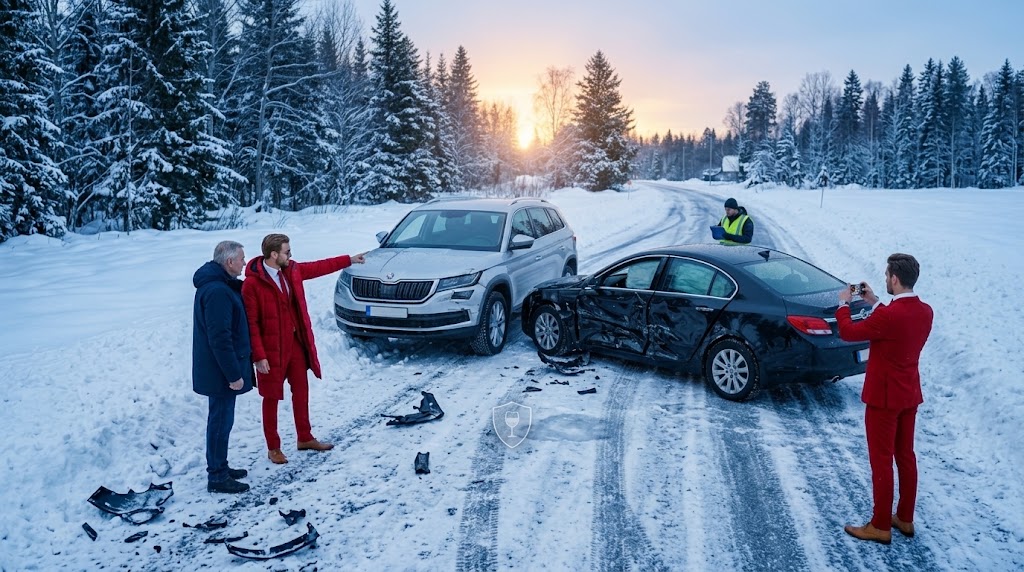
Another driver causing a winter car accident on a snowy Ontario road

Not every winter accident is your fault.

If another driver causes a collision, Ontario's insurance system uses Fault Determination Rules to help determine responsibility for the accident.

For example, if another driver loses control and crashes into your vehicle, the circumstances of the collision will be reviewed to determine fault.

Your insurance company may ask for information such as:

  • Where the accident occurred
  • Road and weather conditions
  • Photos of the vehicles and scene
  • Statements from drivers and witnesses
  • Police information, if applicable
  • Details about how the collision happened

Avoid admitting fault at the accident scene. Instead, provide accurate information to your insurer and allow the claims process to determine responsibility.

What If Your Car Is Damaged by Snow or Ice?

Winter damage isn't always caused by a collision.

For example, your vehicle could be damaged by:

  • Falling ice
  • Heavy snow
  • A falling tree branch
  • Hail
  • Severe winter weather
  • A vehicle sliding into your parked car

Whether your insurance covers this type of damage depends on your policy.

Comprehensive coverage may provide protection for certain types of damage that are not caused by a collision. However, exclusions and deductibles can apply.

If you are unsure whether your policy includes comprehensive coverage, contact your insurance provider before winter weather creates a problem.

What Should You Do After a Winter Car Accident?

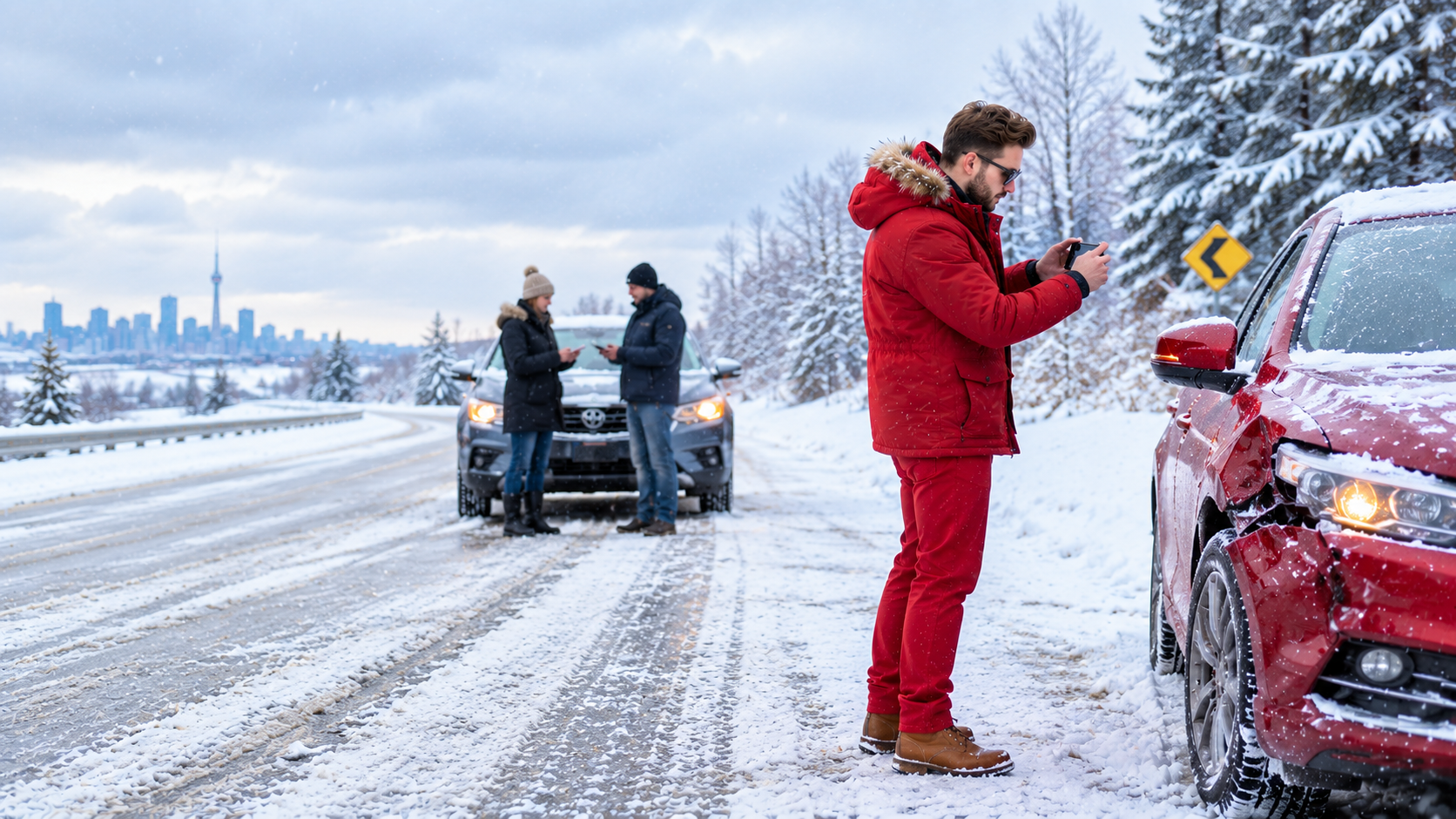
Driver documenting a winter car accident on a snowy Ontario road

If you are involved in a winter collision, prioritize safety first.

1. Move to a Safe Location

If it is safe and possible, move your vehicle away from traffic. Turn on your hazard lights and remain cautious around other vehicles.

2. Check for Injuries

Check yourself and other people involved in the accident. Call emergency services if anyone is seriously injured or immediate assistance is required.

3. Document the Accident

Take photographs or videos of:

  • Vehicle damage
  • Road conditions
  • Snow and ice
  • Nearby signs
  • The surrounding area
  • Other vehicles involved

These details can be useful during the insurance claim process.

4. Exchange Information

Collect the appropriate information from the other driver and any witnesses.

Get Rates for Your Ontario Car Insurance

Winter is a good time to review your auto insurance coverage. Your current policy may not provide the level of protection you expect after a winter accident.

Get Rates can help drivers compare their insurance options and find coverage that fits their needs. Before the winter season gets into full swing, review your deductible, collision coverage, comprehensive coverage, and available discounts.

Getting an insurance quote can also help you understand what protection is available before you need to make a claim.

Frequently Asked Questions

Am I automatically at fault if I slide on ice?

No accident should be assumed to be at fault simply because ice was involved. Ontario's insurance rules and the specific circumstances of the collision are used to determine fault.

Do winter tires lower car insurance rates in Ontario?

Some Ontario insurers offer discounts for vehicles equipped with qualifying winter tires. Discounts vary by insurer, so it is worth asking about available savings when obtaining a quote.

Does comprehensive insurance cover winter damage?

Comprehensive coverage may cover certain non-collision losses, such as damage from specified weather-related events, subject to the policy's terms, conditions, exclusions, and deductible.

What should I do immediately after a winter accident?

Move to a safe location if possible, check for injuries, contact emergency services when necessary, document the accident, exchange required information, and notify your insurance provider.

Final Thoughts

So, will insurance cover you after a winter accident? In many situations, yes—but the answer depends on your policy and the circumstances of the accident.

Collision coverage may help with damage to your vehicle after a collision, while comprehensive coverage can provide protection for certain non-collision events. If another driver is involved, fault will be determined according to Ontario's insurance rules.

The best approach is to understand your coverage before winter arrives, maintain your vehicle properly, use appropriate winter tires, and drive according to road conditions.

If you are unsure about your coverage, Get Rates can help you explore your car insurance options before the next Ontario winter storm

.

Leave a Reply

Your email address will not be published. Required fields are marked *