What Recreational Vehicle do you want a quote for?

Seasonal insurance protection covering temporary coverage for seasonal vehicles, properties, or business risks.

Motorcycle

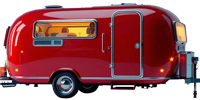
Trailer/Camper

Dirt Bike

ATV

Moped

Boat insurance coverage for watercraft protection against accidents, theft, and damage.

Boat/Watercraft

Motorhome/RV

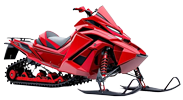
Snowmobile

Types of Recreational Vehicles

Whether you’re cruising down the highway or exploring rugged trails, Getrates.ca brokers offers affordable and flexible insurance coverage options to protect your recreational vehicles. From motorcycles and ATVs to trailers and motorhomes, we provide tailored options to suit your needs and lifestyle. Discover more about the different types of vehicles we insure and how we can help you enjoy your adventures with confidence.

Motocycles

Motorcycles are motor vehicles with two or three wheels, equipped with a driver’s seat or saddle.

Mopeds or Scooters

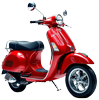
Mopeds are motor-assisted bicycles with pedals, weighing no more than 55 kg (120 lbs). They lack a motor-driven clutch or gearbox and cannot exceed speeds of 50 km/h (30 mph) on flat ground.

Snowmobiles

Snowmobiles are specialized vehicles intended solely for travel on snow and ice, often used on trails or private land. Types include trail, sport, touring, crossover, and utility snowmobiles.

Dirt Bikes

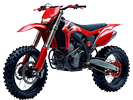
Dirt bikes are motorcycles built for rough terrain such as trails and unsurfaced roads. Varieties include trail dirt bikes, motocross bikes, enduro bikes, and dual-sport bikes.

ATV's

All-terrain vehicles (ATVs) have four or more wheels and are designed for travel over various off-road surfaces and trails. Common types include sport, utility, side-by-side, and youth ATVs.

Trailers/Campers

This group includes non-motorized vehicles with two or four wheels, towed by private passenger vehicles. Examples are travel trailers, personal-use utility trailers, hardtop and soft-top tent trailers, and campers.

Motorhomes

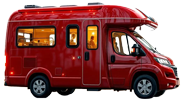
Motorhomes are self-powered vehicles designed for recreational travel and living accommodations. This category also covers trucks with permanently attached camper bodies, as well as converted buses and vans not used for regular transport.

Boats/Watercraft

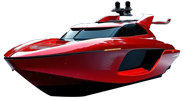
Boats are typically smaller vessels used for recreation, fishing, or transport, while watercraft is a broader term that includes boats, jet skis, sailboats, and other motorized or non-motorized vessels used on lakes, rivers, and oceans.

Frequently asked questions (FAQs) about Recreational Vehicles

Motorcycle Insurance

What kind of license do I need to ride a motorcycle?

In most regions, you need a specific motorcycle license or endorsement, which is different from a standard car license. This usually involves a graduated licensing system with multiple stages, such as a learner's permit (requiring supervision), a restricted license, and a full license. You will typically need to pass a written knowledge test and one or more practical riding skills tests. Always check with your local transportation authority (like the DMV or MTO) for the exact requirements.

What is a good beginner motorcycle?

A good beginner bike is one that is lightweight, has a manageable amount of power, and allows you to comfortably place your feet on the ground. Look for bikes with a lower engine displacement (typically in the 250cc to 500cc range), a neutral or upright riding position, and ABS (Anti-lock Braking System). Popular beginner categories include standard/naked bikes, small cruisers, and dual-sport motorcycles.

What safety gear is essential?

The "All The Gear, All The Time" (ATGATT) philosophy is critical. The absolute essentials are:

  • A certified helmet: Look for DOT, ECE, or SNELL certification.
  • A riding jacket: Provides abrasion resistance and often includes armor for your back, shoulders, and elbows.
  • Gloves: Protect your hands from impact and abrasion.
  • Riding pants: Jeans offer minimal protection; proper riding pants (textile or leather) are far superior.
  • Over-the-ankle boots: Protect against ankle injuries and provide better grip.
How often do I need to perform maintenance?

Basic pre-ride checks should be done before every ride. This is often remembered by the acronym T-CLOCS (Tires, Controls, Lights, Oil, Chassis, Stands). Key tasks include checking tire pressure, ensuring your chain is properly tensioned and lubricated, checking oil and fluid levels, and testing your lights and brakes. More in-depth maintenance like oil changes and valve adjustments follows a schedule found in your owner's manual.

Is motorcycle insurance expensive?

It can be, especially for new riders or high-performance bikes. Insurance rates are based on risk factors including your age and riding experience, your driving record, the type of motorcycle (supersport bikes are the most expensive to insure), where you live, and the amount of coverage you choose. Completing a certified riding course can often lower your premiums.

Trailer/Camper Insurance

How do I know how much weight my vehicle can tow?

Check your vehicle's owner's manual for the "maximum towing capacity." This is the absolute maximum weight your vehicle is rated to pull. You must ensure that the trailer's Gross Vehicle Weight Rating (GVWR)—its maximum loaded weight—does not exceed this number. Never guess; always verify the manufacturer's specification.

Does my trailer need its own brakes?

This depends on the trailer's weight. Most jurisdictions have a law requiring trailers over a certain weight (e.g., 3,000 lbs or 1,360 kg) to have their own independent braking system (usually electric or surge brakes). If your trailer has electric brakes, your tow vehicle will also need a "brake controller" installed in the cab.

How do I properly winterize the water system?

Winterizing prevents water lines from freezing and bursting. The basic process involves:

  • Draining all tanks (fresh, grey, and black).
  • Bypassing and draining the hot water heater.
  • Using an air compressor to blow out all the water lines or, more commonly, pumping non-toxic RV antifreeze through all pipes, faucets, and the toilet until you see the pink fluid emerge.
What is the difference between "grey water" and "black water"?

Grey Water: This is the relatively clean wastewater from your sinks and shower. It is held in the grey water tank.

Black Water: This is the waste from your toilet, containing sewage. It is held in the black water tank. The two must be kept separate and dumped properly at a designated RV dump station.

What should I check before towing my trailer every time?

Perform a safety check before every trip. Ensure the trailer coupler is securely latched onto the hitch ball, the safety chains are crossed and attached, the trailer's wiring is connected and all lights (brake, turn, running) are working, and the trailer tires are properly inflated and in good condition.

Dirt Bike Insurance

Can I ride my dirt bike on the road?

Generally, no. Most dirt bikes are built for off-road use only and lack the required equipment for public roads (like headlights, brake lights, turn signals, mirrors, and a horn). Some bikes, known as "dual-sports," are street-legal from the factory. While it's sometimes possible to convert a dirt bike to be street-legal, the process can be complex and varies significantly by jurisdiction.

What is the difference between a 2-stroke and a 4-stroke engine?

2-Stroke: These engines are lighter, have a more abrupt power delivery ("power band"), and are simpler mechanically. They require you to mix oil with the gasoline and generally need more frequent top-end maintenance (pistons/rings).

4-Stroke: These engines have a smoother, broader, more predictable power delivery. They are heavier and more complex, but their engine oil is separate from the gas, and they typically have longer service intervals.

Where am I legally allowed to ride?

You can ride on private property (with permission) and in designated public riding areas. These include Off-Highway Vehicle (OHV) parks, state/provincial forests with marked trails, and private motocross tracks. It is illegal to ride on public roads (unless street-legal), sidewalks, or private land without permission.

How do I choose the right size dirt bike?

Sizing involves both seat height and engine displacement. You should be able to touch the ground with at least the balls of your feet for stability. For engine size, beginners should start small (e.g., 125cc-250cc) to learn fundamentals without being intimidated by the power. Experienced riders may opt for more powerful 250cc or 450cc models depending on their riding style.

What specific gear do I need for dirt biking?

Dirt bike gear prioritizes impact and roost (debris kicked up by other riders) protection. In addition to a motocross-specific helmet, you need:

  • Goggles: To protect your eyes from dirt and debris.
  • Motocross Boots: These are much stiffer and taller than road boots for maximum ankle and shin protection.
  • Knee and Elbow Guards/Braces: Essential for protecting your joints in a fall.
  • Chest Protector: Protects your torso from roost and impacts.

ATV Insurance

Do I need a license or permit to ride an ATV?

This is highly dependent on your location. Most jurisdictions require ATVs to be registered and plated. For riding on public trails, you will often need a trail permit. While a driver's license isn't always required for off-road use, many areas mandate that riders (especially younger ones) complete a certified ATV safety course.

What's the difference between a Sport ATV and a Utility ATV?

Sport ATVs are built for recreation and performance. They are lighter, faster, have long-travel suspension, are typically 2-wheel drive, and feature manual clutches.

Utility ATVs are built for work and general trail riding. They are heavier, have features like cargo racks and a towing hitch, and almost always have 4-wheel drive and automatic transmissions.

Can I carry a passenger on my ATV?

Only if the ATV was specifically designed for two people. These are called "2-up" or touring models and have a longer seat, raised rear footpegs, and passenger handholds. It is extremely unsafe and often illegal to carry a passenger on an ATV designed for a single rider.

What is the biggest safety risk with ATVs and how can I avoid it?

Rollovers are the most significant risk. To prevent them, practice "active riding" by shifting your body weight to counterbalance the machine during turns, on hills, and over obstacles. Never ride beyond your skill level, understand the machine's limits, and always wear a helmet.

Are ATVs allowed on public roads?

Similar to dirt bikes, ATVs are generally not permitted on public roads. However, some rural municipalities or townships may have bylaws that permit ATV use on the shoulder of certain roads to access trails. Always check local regulations before riding on any roadway.

Moped/Scooter Insurance

Do I need a motorcycle license for a scooter?

It depends on the engine size and top speed. In many places, "limited-speed" scooters or mopeds (e.g., under 50cc and with a top speed below 50-70 km/h) can be operated with a standard driver's license. Faster, more powerful scooters require a full motorcycle license. Check your local laws for the exact classification.

Can I ride a scooter on the highway?

Almost certainly not. Most scooters and all mopeds lack the speed to safely keep up with highway traffic and are legally prohibited from using them due to minimum speed limit laws. They are designed for urban and suburban surface streets.

Are scooters safe in city traffic?

They can be, but you must be a proactive and defensive rider. The biggest challenge is visibility—making sure car drivers see you. Wear bright or reflective clothing, use your signals, and always be aware of your surroundings, especially cars making turns. Wearing a helmet and other protective gear is just as important as on a motorcycle.

What's the difference between a moped and a scooter?

Historically, a moped had pedals in addition to a motor (Motor + Pedals = Moped). A scooter has a step-through frame and a platform for the rider's feet. Today, the terms are often used interchangeably, but the legal definition based on engine size and speed is what determines licensing and insurance requirements.

How good is the fuel economy?

Excellent. This is one of their main advantages. Most modern scooters, especially those in the 50cc to 150cc range, can achieve fuel economy of 2.5 L/100 km (90+ MPG) or better, making them incredibly inexpensive to operate.

Snowmobile Insurance

Do I need a permit to ride on groomed trails?

Yes. In nearly every region with an organized trail system, you must purchase a seasonal or daily trail permit. This fee goes towards trail grooming, maintenance, and insurance. The permit is usually a sticker that must be visibly affixed to your snowmobile.

What is the most important piece of gear for snowmobiling?

A high-quality helmet with a dual-pane or heated shield is the most critical item. It provides impact protection and, crucially, prevents your shield from fogging up or icing over, which can completely obscure your vision in cold temperatures. A warm, waterproof snowmobile suit, gloves, and boots are also essential for preventing hypothermia

Is insurance required for a snowmobile?

Yes. Liability insurance is mandatory in most places, especially if you plan to use public trails or cross any public roads. It covers you in case you are at fault in an accident that causes injury or property damage.

What should I check before every ride?

Before heading out, perform a quick inspection. Check your fuel and oil levels, ensure your track is properly tensioned and not damaged, check the condition of your skis and carbides (the steering runners), and test your throttle, brakes, and all lights (headlight and taillight).

How do I properly store my snowmobile during the summer?

Proper summer storage ("summerizing") is key to ensuring it starts in the winter. Key steps include:

  • Adding fuel stabilizer to the gas tank and running the engine to circulate it.
  • "Fogging" the engine to coat internal parts with oil and prevent corrosion.
  • Removing the battery and storing it on a tender.
  • Lifting the rear of the sled to take pressure off the track and suspension.
  • Covering the machine to protect it from dust and pests.

RV/Motorhome Insurance

Do I need a special license to drive a motorhome?

For most Class B (camper vans) and Class C (cab-over) motorhomes, a standard car license is sufficient. However, for larger Class A motorhomes, you may need a special license or endorsement depending on its weight (GVWR) or if it has air brakes. Always check your local jurisdiction's rules for heavy vehicles.

What kind of fuel mileage should I expect?

Be prepared for low numbers. Fuel economy varies widely with size, weight, and driving style, but a general range is 6-12 miles per gallon (approx. 20-40 L/100 km). Driving slower (e.g., 60 mph / 100 km/h) and avoiding rapid acceleration will yield the best results.

What are "full hookups" at a campground?

A campsite with full hookups provides three main connections for your motorhome:

  • Electricity: To power your lights, air conditioning, and appliances without using your generator or batteries.
  • Water: A direct connection to the campground's potable water supply for your sinks and shower.
  • Sewer: A direct connection that allows you to dump your grey and black water tanks without moving the RV.
Is it difficult to drive and park a large motorhome?

There is a learning curve. You must be mindful of your vehicle's height (to avoid low bridges) and length. A key skill to learn is managing your "tail swing"—when you turn, the rear of the motorhome swings out in the opposite direction. Practice in a large, empty parking lot and always try to use a spotter when backing up.

How do I manage my holding tanks (grey and black water)?

Monitor the level indicators inside your RV. Always keep your black tank valve closed until the tank is at least 2/3 full to ensure there is enough liquid to flush out solid waste. It's best practice to dump your black tank first, then dump the grey tank to help flush out the sewer hose. Use RV-specific toilet paper and tank chemicals to help break down waste and control odors.

Boat/Watercraft Insurance

Do I need a license to drive a boat in Ontario?

Yes, but it's not a "license" in the same way as a driver's license. You need a Pleasure Craft Operator Card (PCOC), often called a "boating license." This card is legally required to operate any motorized pleasure craft in Canada, regardless of the boat's size or engine horsepower. You get the card by passing a test from a Transport Canada-accredited provider. It's good for life and must be carried with you whenever you're operating a boat.

What safety equipment is legally required on my boat?

The required equipment varies by the size of your boat. For a typical pleasure craft up to 6 metres (about 20 feet), you must have the following items on board and readily accessible:

  • One Canadian-approved lifejacket or PFD of the appropriate size for each person on board.
  • A sound-signalling device (a pealess whistle or a horn).
  • A buoyant heaving line (15 metres / 50 feet).
  • A manual propelling device (a paddle) or an anchor.
  • A bailer or manual water pump.
  • A Class 5BC fire extinguisher if the boat has any type of motor.
  • A watertight flashlight or 6 Canadian-approved flares (if the boat is over 6m).
  • Navigation lights if operating between sunset and sunrise or in restricted visibility.
Can I have alcohol on my boat?

This is a critical rule to understand. Operating a boat while impaired by alcohol or drugs carries the same criminal penalties as driving a car while impaired. Open alcohol is only legally permitted on a boat if it is equipped with permanent sleeping facilities, a permanent galley (kitchen), and a permanent toilet. Furthermore, the boat must be docked or anchored. On a typical day boat like a bowrider, fishing boat, or personal watercraft (PWC), having open alcohol is illegal, just as it is in a car.

What are the numbers on the side of my boat for?

These numbers are part of your Pleasure Craft License. In Ontario, it is mandatory for any pleasure craft with a motor of 10 hp (7.5 kW) or more to have a license from Transport Canada. This license is free, valid for 10 years, and serves to identify the vessel. This is different from "Registering" a vessel, which is a more formal process required for commercial boats or those with a marine mortgage.

Are there special rules for Personal Watercraft (PWCs) like Jet Skis or Sea-Doos?

Yes. PWCs are classified as boats and must follow all the same rules, including carrying safety equipment and having an operator with a PCOC. However, there are additional age restrictions; you must be at least 16 years old to operate a PWC. Many municipalities in Ontario's cottage country also have specific bylaws that restrict PWC use by time of day or prohibit them entirely on certain smaller lakes. Always check for local restrictions.

What do I need to legally tow someone on a tube or water skis?

To legally tow a person for any watersport activity in Ontario, you must have three things:

  • A responsible boat operator.
  • A dedicated spotter who is constantly watching the person being towed.
  • An empty seat on the boat for every person being towed, in case you need to bring them aboard quickly. Towing is only permitted during daylight hours (from one hour before sunrise to one hour after sunset).
Are there speed limits on the water?

Yes. The most important rule is the universal, unposted speed limit of 10 km/h (6 mph) whenever you are within 30 metres (100 feet) of the shore. This "shoreline speed zone" is enforced to prevent wake damage to docks, property, and shorelines, and to protect swimmers. Some waterways, like the Trent-Severn Waterway, also have posted speed limits in narrow channels or near locks.

How do I prepare my boat for an Ontario winter?

Properly "winterizing" your boat is crucial to prevent damage from freezing temperatures and heavy snow. Key steps include:

  • Fuel System: Add fuel stabilizer to a full tank of gas and run the engine to circulate it.
  • Engine & Drivetrain: Change the engine oil and filter. Drain the engine block and manifolds of water and circulate marine-grade antifreeze through them to prevent cracking.
  • Plumbing: Drain all fresh water tanks, pumps, and toilets, and add non-toxic antifreeze.
  • Interior & Battery: Remove all electronics, valuables, and lifejackets. Remove the battery and store it indoors on a trickle charger.
  • Covering: Use a heavy-duty, well-supported cover or have the boat professionally shrink-wrapped to withstand the weight of snow and ice.
Is boat insurance mandatory in Ontario?

While it is not legally mandated by the provincial government to have insurance on a private pleasure craft, it is a practical necessity. Virtually every marina, yacht club, and storage facility in Ontario will require you to provide proof of liability insurance before they will allow you to use their docks or services. It is highly recommended to protect you from liability and to cover your significant investment.

What are the age restrictions for operating a boat?

In addition to needing a PCOC, there are national age and horsepower restrictions that apply in Ontario:

  • Under 12 years old: May operate a boat with up to 10 hp (7.5 kW) engine without supervision.
  • Age 12 to 15: May operate a boat with up to a 40 hp (30 kW) engine without supervision.
  • Age 16 and over: No horsepower restrictions. Note: Since almost all PWCs have engines greater than 40 hp, this effectively means you must be 16 years of age to operate one.

Condo Insurance Tips and Tricks

Catch up on the latest news and information on condo insurance.